

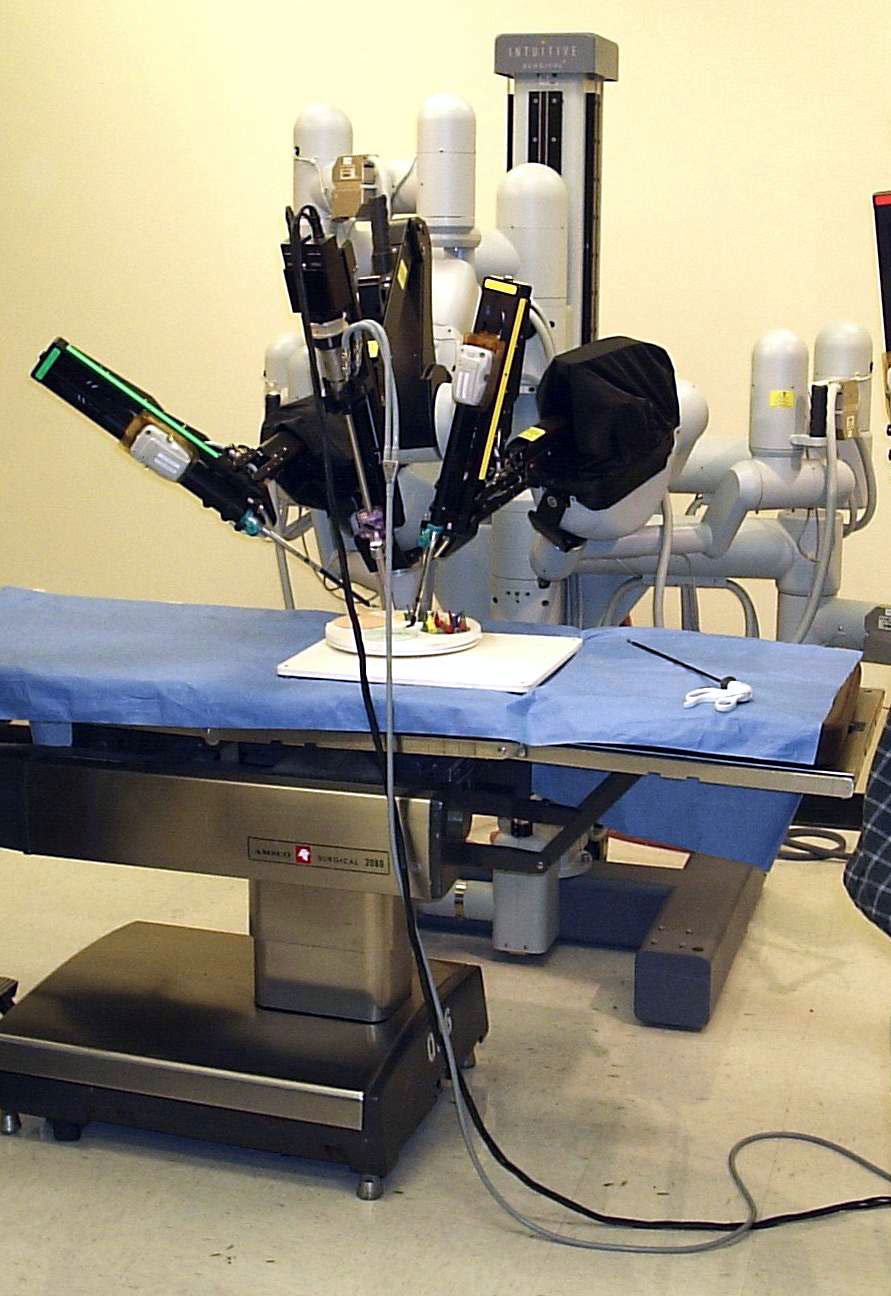
Intuitive has introduced its next-generation da Vinci 5 robotic-assisted surgical system in India, the company announced this week, marking the latest addition to a surgical robotics portfolio already used in more than 200,000 procedures across the country. The system has been cleared in India for urologic, gynecologic, general, cardiac, and thoracoscopic surgery, giving Indian hospitals access to Intuitive’s most advanced robotic platform to date.
What’s New in da Vinci 5
Da Vinci 5 builds on the design of the widely used da Vinci Xi system, adding more than 150 enhancements across sensing, computing, and workflow. The most notable addition is Force Feedback, a first-of-its-kind capability for Intuitive’s platforms that lets surgeons feel the push and pull forces exerted on tissue directly through the console’s hand controls, adding a tactile dimension to a surgical approach that has historically relied on visual cues alone. The system also features what Intuitive describes as its most realistic 3D vision to date, an ergonomic and immersive surgeon console designed to support career longevity, and roughly 10,000 times more computing power than prior generations, powered by new sensors, software, and advanced processors.
On the workflow side, da Vinci 5 introduces a universal user interface for care teams, dynamic assistance that automates select routine tasks, and connected learning capabilities intended to help surgical teams build proficiency on the platform over time, alongside greater surgeon autonomy through key controls integrated directly at the console.
A Deliberately Slow Rollout
Rather than a broad national release, Intuitive is positioning India’s da Vinci 5 introduction as a focused rollout. The company said the initial phase will involve selected hospitals and surgical programs building direct experience with the platform, a deliberate approach the company frames as supporting responsible adoption across India’s growing robotic-assisted surgery community rather than rushing the system into widespread use before hospitals and surgical teams are fully prepared to operate it.
“Da Vinci 5 represents the next generation of robotic-assisted surgery, combining advanced sensing and vision technologies, intelligent software, and integrated workflows in a single platform.”
— Iman Jeddi, Ph.D., SVP and GM, da Vinci Platforms & Product Operations, Intuitive
Building on an Established Base in India
Intuitive isn’t entering India’s robotic surgery market fresh with this launch. The company began direct operations in the country in 2018 and has since built a substantial presence: more than 180 da Vinci surgical programs now operate across India, and surgeons have collectively performed over 200,000 procedures using Intuitive’s systems in the country to date. Supporting that growth, Intuitive has invested $6 million to establish four dedicated training centres across India, including one at AIIMS New Delhi, giving Indian surgeons a structured pathway to build proficiency on the company’s robotic platforms before operating on patients.
“Our commitment goes beyond introducing new technology. We remain focused on building the training, clinical evidence, and support infrastructure needed to expand responsible and sustainable access.”
— Rohitt Mahajan, Vice President and General Manager, Intuitive India
Why Force Feedback Is a Meaningful Addition
The addition of Force Feedback addresses a longstanding limitation of robotic-assisted surgery generally. Traditional robotic surgical platforms, including earlier da Vinci systems, have relied almost entirely on a surgeon’s visual judgment to gauge how much force is being applied to tissue during a procedure, since the console’s hand controls historically transmitted no tactile sensation back to the surgeon. That absence of haptic feedback has long been cited as one of the meaningful differences between robotic-assisted and traditional open or laparoscopic surgery, where a surgeon’s hands can directly feel resistance and tension. By allowing surgeons to feel push and pull forces through the console controls, da Vinci 5 aims to close part of that sensory gap, potentially adding a layer of intraoperative awareness that previous-generation systems couldn’t provide.
Part of India’s Broader Robotic Surgery Momentum
Intuitive’s da Vinci 5 introduction lands amid a broader wave of activity in India’s robotic surgery market. It follows closely behind Medtronic’s recent FDA clearance for its own LigaSure RAS Maryland instrument on the Hugo robotic surgery system in the U.S. market, part of a broader global trend of established medical device makers racing to expand instrument compatibility and clinical indications across competing robotic platforms. While Intuitive remains the more established player in India with its deep base of existing programs and training infrastructure, the presence of rival platforms actively expanding their own capabilities signals a robotic surgery market that’s becoming more competitive globally, even as adoption in India specifically remains concentrated among a relatively select group of hospitals equipped to operate these systems.
What Comes Next
For now, da Vinci 5’s availability in India remains limited to the hospitals and programs selected for this initial phase. How quickly Intuitive expands access beyond that early group will likely depend on how effectively the company’s training centres and clinical evidence-building efforts translate into surgeon proficiency and demonstrated outcomes on the new platform, the same deliberate, evidence-first approach the company has used to build its existing base of more than 180 da Vinci programs across the country over the past several years.