

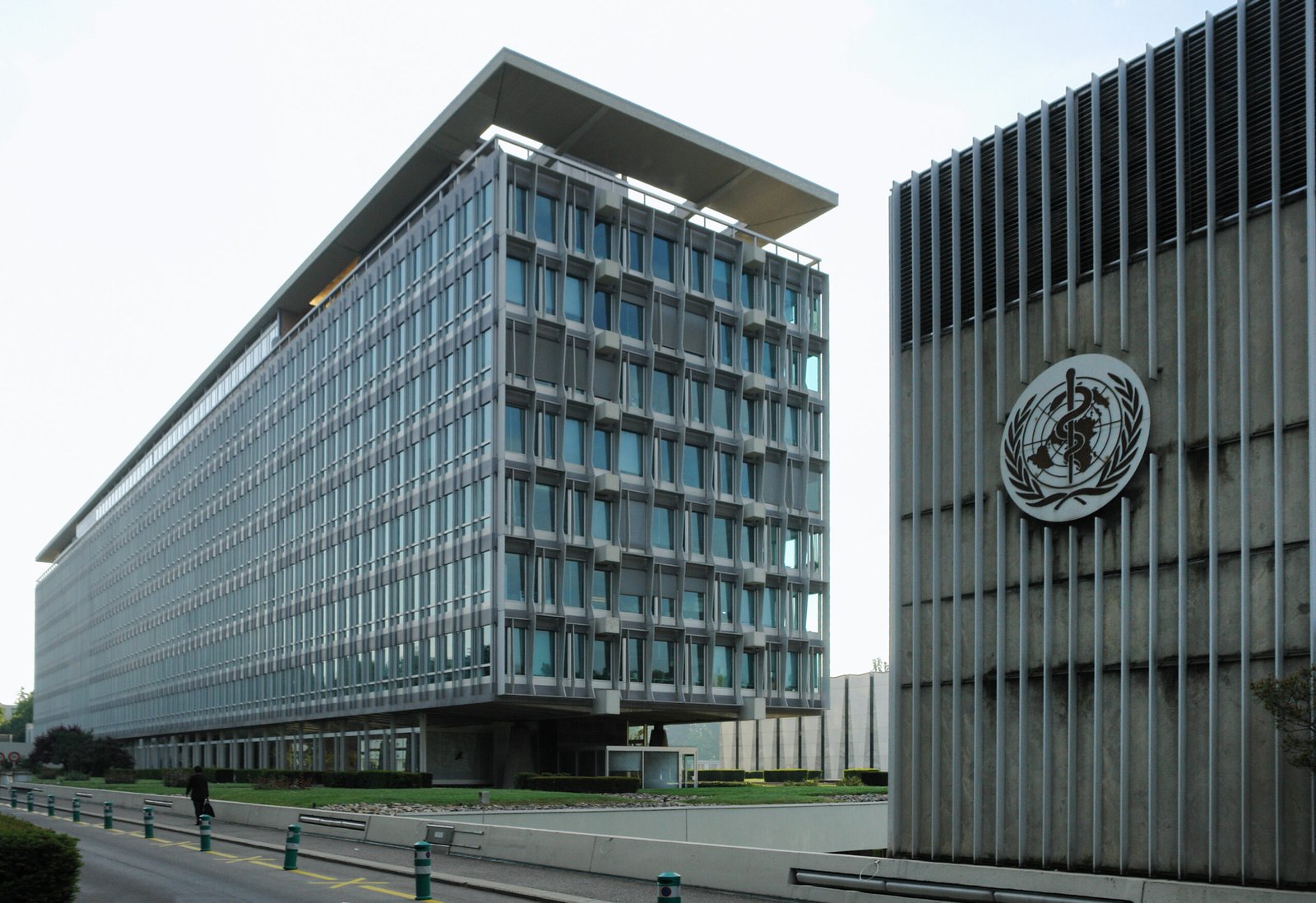
World Health Organization Director-General Tedros Adhanom Ghebreyesus has praised India’s healthcare progress, singling out the country’s push into preventive care, primary healthcare expansion, and efforts to strengthen the regulation of medical products. The remarks came during a meeting this week with India’s Union Health Minister J.P. Nadda on the sidelines of the 79th Session of the WHO Regional Committee for South-East Asia, held in Dili, Timor-Leste.
A Meeting on the Sidelines of a Regional Health Summit
The Dili gathering brings together health ministers and officials from across WHO’s South-East Asia Region to coordinate regional health priorities, and it gave Tedros and Nadda an opportunity for a bilateral discussion covering several strands of India’s health system at once: primary care access, maternal and child health, non-communicable disease control, tuberculosis elimination, medical product regulation, and India’s broader cooperation with WHO on global health initiatives.
The WHO South-East Asia Region spans 11 member countries and covers roughly a quarter of the world’s population, making it one of WHO’s largest and most closely watched regions for tracking progress on primary healthcare access, disease elimination targets, and health system strengthening. India, as the region’s most populous member state, tends to carry outsized influence over how the region’s collective health indicators move, which is part of why its individual progress draws close attention at regional forums like this one.
Praise for India’s Primary Healthcare Push
Tedros specifically highlighted India’s Ayushman Arogya Mandirs, the government’s network of roughly 160,000 primary health centres, for bringing screening services for hypertension, diabetes, and common cancers closer to communities, alongside referral pathways connecting patients to further care when needed. That scale of coverage, effectively a health screening point within reach of most communities nationwide, is central to India’s broader strategy of catching chronic disease risk earlier rather than treating conditions only once they become severe.
That emphasis on catching disease before it escalates mirrors a broader shift playing out across health systems globally, one that increasingly leans on structured, technology-enabled preventive diagnostics to identify risk before symptoms force a diagnosis, rather than relying solely on reactive treatment once a patient is already unwell.
ASHA Workers and Maternal-Child Health Gains
Tedros also credited India’s roughly one million Accredited Social Health Activists, known as ASHA workers, as a powerful example of healthcare reaching people directly, supporting mothers and children from conception through adolescence in communities that formal health infrastructure alone often struggles to reach. Alongside expanded immunisation coverage, he pointed to institutional deliveries rising from 78 percent to 93 percent as a key factor behind sustained declines in maternal and child mortality nationally.
That kind of last-mile healthcare delivery, community health workers embedded directly in the populations they serve, echoes the same access challenge facing efforts to scale primary healthcare technology across India more broadly: reaching rural and underserved communities consistently remains one of the hardest problems in healthcare delivery, regardless of how advanced the underlying system becomes.
Progress Against Tuberculosis
The two leaders also discussed India’s efforts to eliminate tuberculosis, an area where the country has been pursuing intensified measures through expanded screening, diagnosis, and treatment programmes, alongside broader public health interventions aimed at reducing transmission. India carries one of the world’s largest tuberculosis burdens, making progress on elimination efforts a closely watched indicator of the country’s public health system more broadly.
Strengthening Medical Product Regulation
Beyond disease-specific programmes, Tedros and Nadda discussed strengthening the regulation of medical products in India, to help ensure their quality, safety, and effectiveness. Robust regulatory oversight underpins nearly every other health outcome discussed at the meeting: screening tools, vaccines, and treatment protocols delivered through programmes like the Ayushman Arogya Mandirs network depend on a regulatory system capable of verifying that the medical products behind them meet consistent safety and quality standards at scale.
“I congratulated him on the country’s impressive health gains.”
— Tedros Adhanom Ghebreyesus, WHO Director-General
Broader Global Health Cooperation
The discussion also touched on areas of cooperation extending beyond India’s domestic health system: continued collaboration on traditional medicine initiatives, and ongoing negotiations around the Pathogen Access and Benefit Sharing system under the WHO Pandemic Agreement, the international framework governing how pathogen samples and genetic sequence data are shared globally in exchange for equitable access to resulting vaccines, treatments, and diagnostics.
What the Praise Signals
Endorsements from a WHO Director-General carry weight beyond diplomatic courtesy; they function as a form of international validation for a country’s health strategy, one that can influence everything from global health financing conversations to how other nations model their own primary care and regulatory systems. For India, this week’s meeting reinforces a health strategy built on three simultaneous fronts: expanding preventive and primary care access at the community level, sustaining gains in maternal and child health through frontline health workers, and building the regulatory infrastructure needed to ensure the products underpinning all of it meet international standards. Whether that combination continues to hold up at scale, across a population of India’s size, remains the central test the country’s health system faces going forward.