

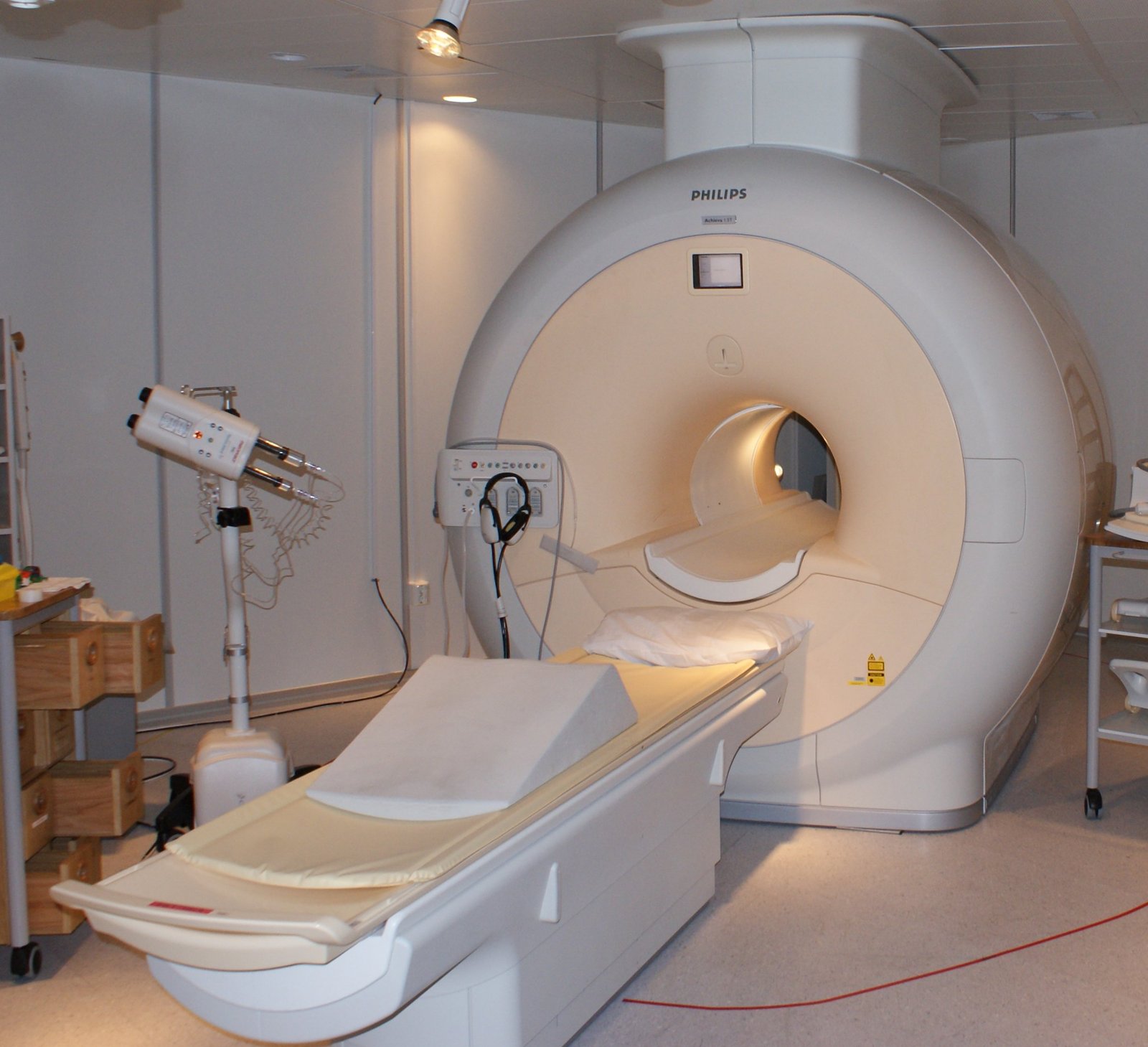
Global healthtech major Philips has entered into a new strategic collaboration with CENT, a Bengaluru-based preventive healthcare startup, aimed at strengthening early risk detection and preventive diagnostics across India. The partnership brings together Philips’ advanced imaging technologies with CENT’s preventive health screening model, with a shared goal of identifying health risks before symptoms appear rather than waiting for disease to progress to a diagnosable stage.
The tie-up marks another step in a broader industry shift, as healthcare systems in India and globally move from reactive disease management toward predictive, preventive models of care. For a country where many serious conditions are still detected only after symptoms have already emerged, the collaboration is positioned as an attempt to build dedicated infrastructure for catching disease risk earlier.
India’s preventive healthcare segment has grown quickly in recent years, driven by rising awareness of lifestyle-related disease risk, greater disposable income among urban populations, and a growing willingness among younger patients to pursue routine screening rather than waiting for symptoms to prompt a doctor’s visit. Startups like CENT have emerged specifically to serve this shift, building screening-first business models rather than the traditional hospital pathway built around treating patients who are already unwell.
Bringing Advanced MRI Technology to Preventive Screening
At the center of the collaboration is Philips’ imaging hardware. As part of the partnership, Philips will deploy its helium-free, wide-bore 70 cm 1.5T MRI systems, equipped with AI-enabled SmartSpeed image acceleration technology, at CENT’s preventive health screening centres. The wide-bore design is intended to make scanning more comfortable for a broader range of patients, while the helium-free format addresses one of the recurring supply and maintenance challenges associated with traditional MRI systems.
SmartSpeed, Philips’ AI-driven acceleration software, is designed to shorten scan times while maintaining image quality, a combination that matters significantly in a preventive-screening context where the same machines may need to process a larger and more varied population of asymptomatic individuals rather than a narrower group of symptomatic patients referred for a specific diagnosis. The companies expect the technology to support high-quality imaging, improve the overall screening experience, and enable more efficient MRI workflows at CENT’s centres.
Where the Focus Lies: Neurology, Spine, and Oncology
Rather than functioning as a general-purpose rollout, the collaboration is structured around specific clinical areas. The initiative will focus on evaluating imaging protocols, clinical workflows, and risk-assessment pathways specifically designed for asymptomatic individuals, a population that current imaging protocols, largely built around symptomatic patients, are not always well suited to serve.
The partnership will particularly explore neurological, spine, and oncology-related indications, with the stated aim of strengthening approaches to early risk identification and timely intervention. These are all areas where early detection has historically been shown to meaningfully change treatment outcomes and where subtle findings on an MRI scan can sometimes indicate risk long before a patient experiences any noticeable symptoms.
Voices Behind the Partnership
Bharath Sesha, Managing Director of Philips India Subcontinent, framed the collaboration as part of the company’s broader effort to explore new ways of strengthening preventive diagnostics and improving health outcomes for a wider population. He pointed to the potential of advanced imaging and AI-enabled solutions to support earlier identification of health risks, improve diagnostic confidence, and enhance the overall patient experience.
“New imaging protocols, clinical workflows, and risk-assessment models need to be built specifically for preventive healthcare.”
— Anshul Khandelwal, Co-Founder, CENT
CENT Co-Founder Anshul Khandelwal described the company’s focus as advancing AI-led research to make preventive screening more precise, scalable, and effective for asymptomatic individuals. He also noted that in India, many serious health conditions are still identified only once symptoms have already appeared, which he described as making dedicated early-detection infrastructure a critical priority for the country’s healthcare system.
Part of a Broader Shift Toward Predictive Care
The Philips-CENT collaboration does not exist in isolation. It reflects a wider pattern across the healthcare industry, where device makers, hospital systems, and health-tech startups are increasingly investing in tools built specifically around prevention rather than treatment. Philips itself has pursued a series of similar partnerships across different parts of its business, working with monitoring, informatics, and imaging partners to expand what its technology can support inside and outside traditional hospital settings.
For Philips, the collaboration also extends a broader AI strategy that the company has been building across its diagnostics divisions, applying algorithms and workflow tools developed in areas like radiology and precision diagnostics to new use cases such as preventive screening. SmartSpeed itself grew out of work the company undertook on its MRI platforms more broadly, and its application here reflects an effort to adapt existing AI imaging tools for a new kind of patient population.
For CENT, the partnership offers access to imaging technology and manufacturing scale that would be difficult for a preventive-health startup to build independently, while giving Philips a direct channel into a segment of care, asymptomatic risk screening, that sits outside the traditional diagnostic pathway most imaging equipment is built around.
What This Could Mean for the Future of Preventive Health in India
If successful, the collaboration could help establish a template for how imaging technology, AI software, and preventive-care business models can work together at scale in a market as large and varied as India’s. Evaluating new imaging protocols and risk-assessment pathways for asymptomatic individuals is a foundational step, one that, if it produces reliable, repeatable results, could inform how preventive screening is approached more broadly across the country’s private healthcare sector.
Neither company has outlined a specific timeline for expanding the initiative beyond CENT’s existing screening centres, and questions remain around cost, accessibility, and how insurers and regulators might eventually treat preventive imaging of this kind. Still, the partnership signals that some of the same imaging technology built for diagnosing existing disease is now being deliberately redirected toward catching risk earlier, before a patient ever becomes a symptomatic case. As more data emerges from the collaboration’s early screening protocols, it may offer a clearer picture of how large a role predictive imaging can realistically play in preventive healthcare going forward.
[…] HPV Vaccine in India: 80 Lakh Doses Given as Cervical Cancer Vaccination Drive Gains Momentum Human Rabies Exposure Cases on the Rise, CDC Warns What Is Mounjaro? And Does It Work Better for Weight Loss Than Ozempic and Wegovy? Global Healthcare Leaders Back iKure’s USD 1.8 Million Pre-Series A to Scale Technology-Enabled Primary Healthcare Across India Philips Partners With CENT to Advance Preventive Diagnostics and Early Risk Detection in India […]
[…] monitoring technologies, and workflow automation. This tracks with a broader industry shift toward preventive, technology-enabled diagnostics, where earlier and more consistent detection increasingly depends on AI-assisted imaging and […]
[…] shaping healthcare strategy well beyond Korea, echoed in the growing global push toward preventive, technology-enabled diagnostics more […]
[…] shift playing out across health systems globally, one that increasingly leans on structured, technology-enabled preventive diagnostics to identify risk before symptoms force a diagnosis, rather than relying solely on reactive […]